
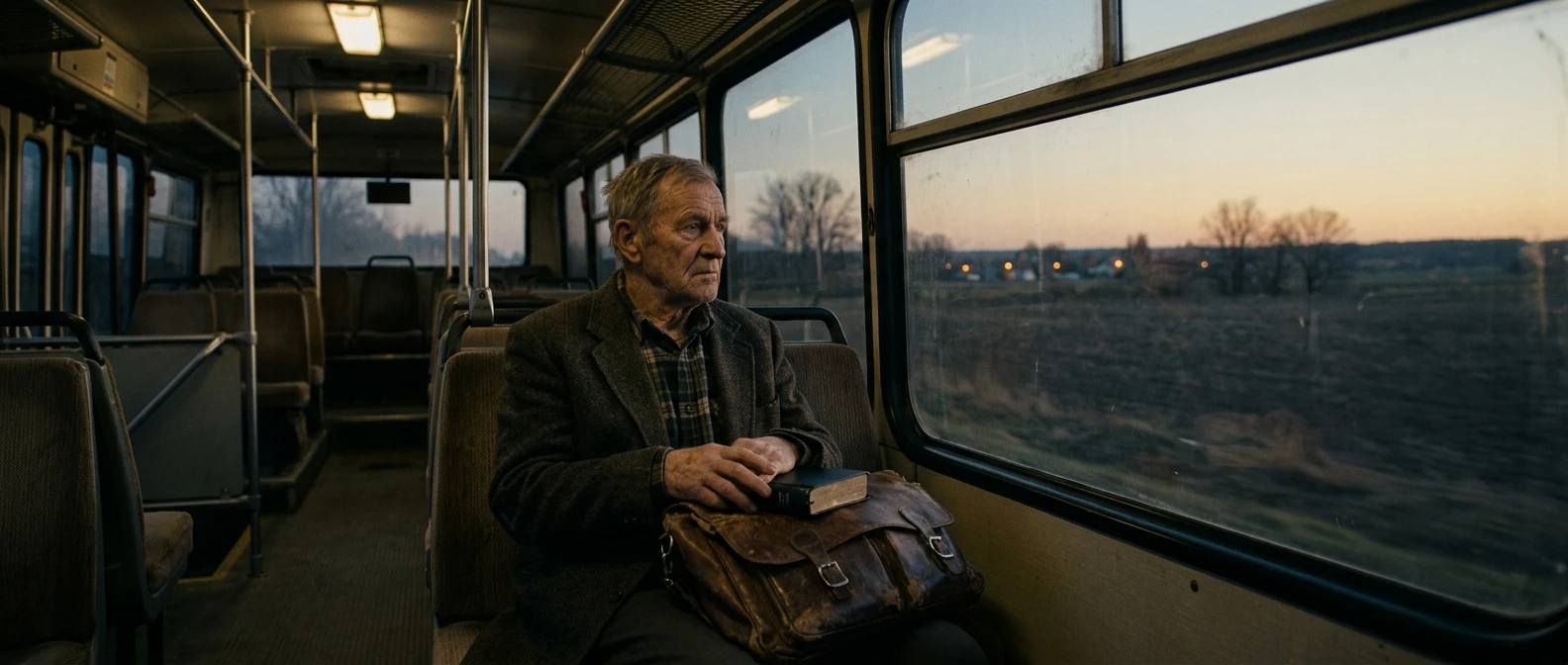
Loneliness is one of the hardest parts of unpaid preaching, and it is seldom spoken about. A volunteer preacher often travels alone, prepares alone and returns home to a quiet house after the sermon is finished. Many are retired and live on a pension, and the hall may empty quickly once they have spoken.
This article is about how to deal with loneliness in ministry by looking at what Scripture says about it. The Bible does not treat the lonely preacher as a failure. It shows prophets, apostles and Christ Himself walking the same road, and it records what God said to each of them there.
Why the Preacher Who Serves Without Pay Often Serves Without Company
Several ordinary circumstances produce solitude in a volunteer preacher. A salaried minister usually has a congregation, a board and colleagues around him. The volunteer often has none of these, because he goes where the invitation sends him, sometimes a long way from home.
Age adds to it. Friends of earlier years have moved away or have died. Invitations may be fewer than they were. Relatives are busy with their own work and children and may not fully understand why a pensioner spends his small means on travel to preach.
None of this shows that God has withdrawn from the work. These are plain facts about a calling carried out without a salary or a staff. Scripture is clear that the road of a sent servant was often walked with few people beside him, and that the absence of company did not mean the absence of God.
What Scripture Says Plainly: Elijah, Paul and Others Who Stood Alone
Elijah, after the contest on Mount Carmel, fled into the wilderness and said to the LORD: “I, even I only, am left; and they seek my life, to take it away” (1 Kings 19:10, KJV). He felt completely alone. God did not rebuke him for feeling so. He fed him, let him rest, spoke to him in “a still small voice,” and then told him that He had seven thousand in Israel who had not bowed to Baal (1 Kings 19:12, 18). Elijah was less alone than he believed, though he could not see it.

Jeremiah wrote: “I sat alone because of thy hand” (Jeremiah 15:17). He understood his solitude as part of the burden of the word he carried. He did not hide it, and the Scripture does not hide it either.
Paul writes from prison near the end of his life: “Demas hath forsaken me, having loved this present world… only Luke is with me” (2 Timothy 4:10-11). The great apostle names those who left him. Scripture records it without embarrassment, and it is written for our instruction.
These men were not poor preachers. They were chosen servants, and loneliness found them anyway. A volunteer preacher who feels alone is standing where they stood.
Christ Was Forsaken Too, and Said He Was Not Alone
The Lord Jesus went further than any of them. He told His disciples beforehand: “Behold, the hour cometh, yea, is now come, that ye shall be scattered, every man to his own, and shall leave me alone: and yet I am not alone, because the Father is with me” (John 16:32).
Then it happened. In Gethsemane He asked three disciples to watch with Him, and He found them sleeping (Matthew 26:40). When He was arrested, “all the disciples forsook him, and fled” (Matthew 26:56). Before Pilate and on the cross He was without a single follower at His side among the men who had walked with Him.
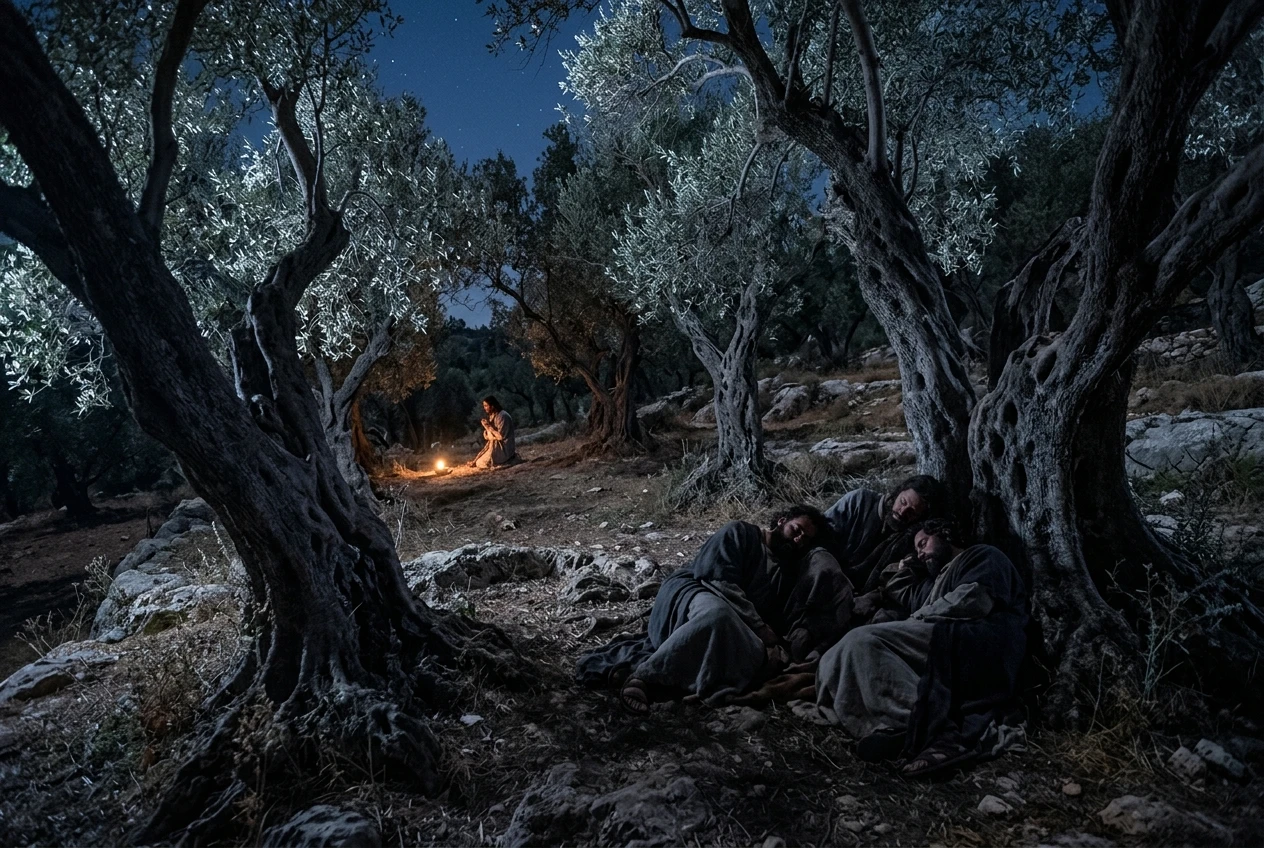
Two things in His words belong together. He was truly left alone by men. He was also truly not alone, because the Father was with Him. The preacher can hold both of these as well. The empty pew and the silent drive home are real, and so is the presence of God in them.
Paul found the same thing. Of his first defense before the court he writes: “At my first answer no man stood with me, but all men forsook me: I pray God that it may not be laid to their charge. Notwithstanding the Lord stood with me, and strengthened me; that by me the preaching might be fully known, and that all the Gentiles might hear” (2 Timothy 4:16-17). Notice that the Lord stood with him for a purpose: that the preaching might be fully known. The solitude did not stop the word from going out. It was the place where the Lord strengthened His servant to proclaim it.
Notice too that Paul prayed for those who left him: “I pray God that it may not be laid to their charge.” Bitterness toward people who did not come is a temptation of the lonely, and Paul’s example shows how to meet it.
The Promise Attached to the Sending: “I Am With You Always”
The Great Commission ends with a promise, and the promise is bound to the command. The Lord says, “Go ye therefore, and teach all nations… and, lo, I am with you alway, even unto the end of the world” (Matthew 28:19-20). He gave the promise to those He was sending. It was not a general comfort offered to people who stayed at home.
This means the preacher who goes out has a claim on the presence of Christ that rests on Christ’s own word. It does not depend on how he feels at the time, on the size of the audience, or on whether anyone thanks him.
Hebrews 13:5 gives the same assurance in a setting that fits the volunteer preacher closely: “Let your conversation be without covetousness; and be content with such things as ye have: for he hath said, I will never leave thee, nor forsake thee.” The promise is placed right beside the matter of daily needs. The God who says He will not leave also says He knows what His servant has and lacks. A preacher who relies on Him for food and travel can rely on Him for company in the same way.
If you have wondered whether your unpaid labor is seen, the piece on what the Bible means by eternal reward when no one pays the preacher takes up that question directly.
How to Walk the Road With Christ: Prayer, the Word and the Quiet Hours
Knowing the promise is one thing, and living in it on a long journey is another. Scripture gives ordinary means for this.
Pray aloud while you travel. The Lord Himself withdrew to quiet places: “And he withdrew himself into the wilderness, and prayed” (Luke 5:16). A long bus ride or an evening walk to the next village can become a time of speaking to God as to a person who is present, because He is.
Read the Psalms. The psalmists write often of solitude. “Turn thee unto me, and have mercy upon me; for I am desolate and afflicted” (Psalm 25:16). Psalm 23:4 says, “I will fear no evil: for thou art with me.” Reading these slowly, and praying them back, gives words to feelings that are hard to name.

Use the quiet hours for the Word. The evenings that feel emptiest can be the best time for steady reading. Take one passage, such as John 16 or 2 Timothy 4, and read it each night for a week. Write down each statement about God’s presence. The loneliness remains, but it is met each time with something God has actually said.
Keep a short record of answered prayer. A few lines in a notebook, dated and plain, remind the preacher on a low day that the Lord has stood with him before. This is memory, which Scripture commands again and again, and it needs no embellishment.
Be honest with God. Elijah told Him exactly how he felt. A preacher does not need to hide weariness from the One who already knows it.
Where God Often Sends Companions: Faithful Believers and Family Who Pray
The presence of Christ does not exclude human company. It is often how that company arrives. The Lord sent out His disciples two by two (Luke 10:1), and the church at Antioch sent Barnabas and Saul together (Acts 13:2-3). Even in prison Paul had Luke, and he remembered Onesiphorus, who “oft refreshed me, and was not ashamed of my chain” (2 Timothy 1:16).
Psalm 68:6 says, “God setteth the solitary in families.” For the preacher this may mean a relative who prays for him by name, a believer in the congregation who asks after his health, or a younger man who is glad to travel with him now and then. A preacher can ask for such company honestly. Asking a brother to pray, or to accompany him on a journey, is a reasonable request, and many believers are willing to give it.
Family deserves particular care. Those at home carry a share of the sacrifice, and they can also carry a share of the prayer. The article on teaching your family to treasure what you do in the pulpit speaks to that. A household that prays for the preacher is a real companion, even when it stays at home.
Where fruit seems slow to appear, keep sowing anyway. Elijah could not see the seven thousand, and yet they were there.
A Short Prayer for the Preacher Who Is Alone Tonight
Lord Jesus Christ, You were forsaken by those who had walked with You, and You said that You were not alone, because the Father was with You. I come to You tonight in the same quiet.
You have said, “Lo, I am with you alway,” and “I will never leave thee, nor forsake thee.” I hold You to Your word. Stand with me as You stood with Paul, and strengthen me that the gospel may be fully known through my preaching.
Forgive me for any bitterness toward those who did not come. Give me faithful brothers and sisters to pray with me, and bless my family at home. Provide my daily bread and my road, as You have promised.
Let me sleep in peace, knowing that You are near. In Your name I pray. Amen.